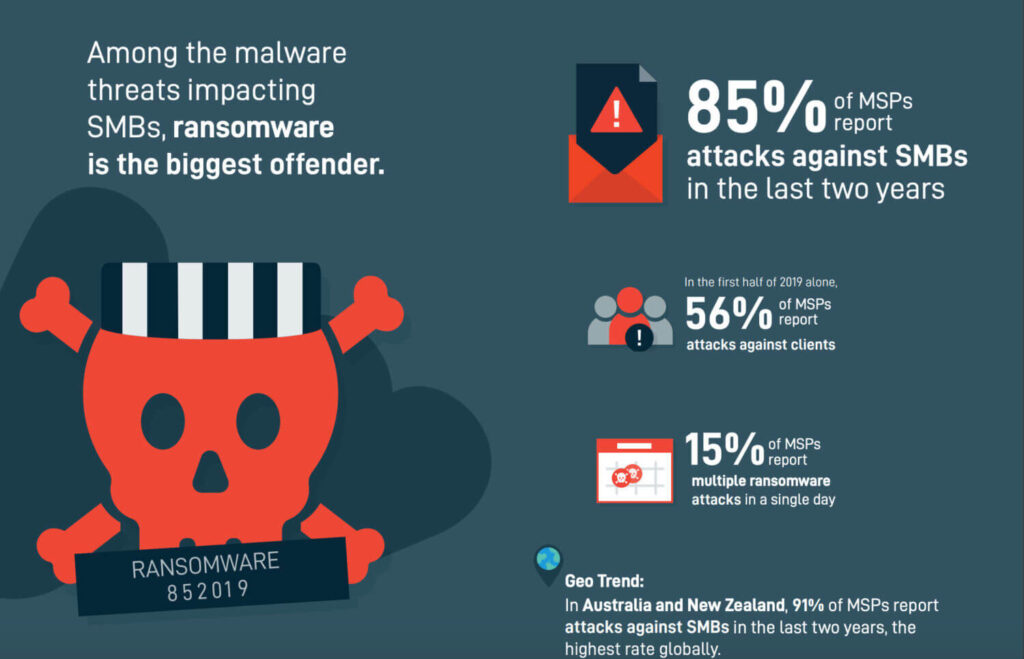
In 2025, ransomware continues to be one of the top cybersecurity threats facing small and medium-sized businesses (SMBs). Despite more awareness than ever, many SMBs are still underprepared, lacking formal incident response plans, tested backups, and network segmentation strategies that can significantly reduce damage if an attack occurs.
Ransomware isn’t just a headline anymore — it’s a business continuity threat that can disrupt operations, harm reputation, and cost more than you expect. This post explains the common mistakes SMBs make, the principles behind a resilient network design, and how Orlando Business Telephone Systems’ “One Network” approach reduces the blast radius from ransomware attacks.
Why Ransomware Still Hits SMBs Hard in 2025
Key trends worth noting:
Many SMBs experience ransomware attacks yearly, and overall cyberattack volumes continue to rise.
Small organizations often lack formal incident response plans, or test them infrequently.
Threat actors now use Ransomware-as-a-Service (RaaS) models, making sophisticated tools available to lower-skill attackers.
Unlike giant enterprises with dedicated cyber units, SMBs are often seen as “soft targets” with weaker defenses, and attackers know that unsegmented networks and outdated systems provide the easiest entry points.
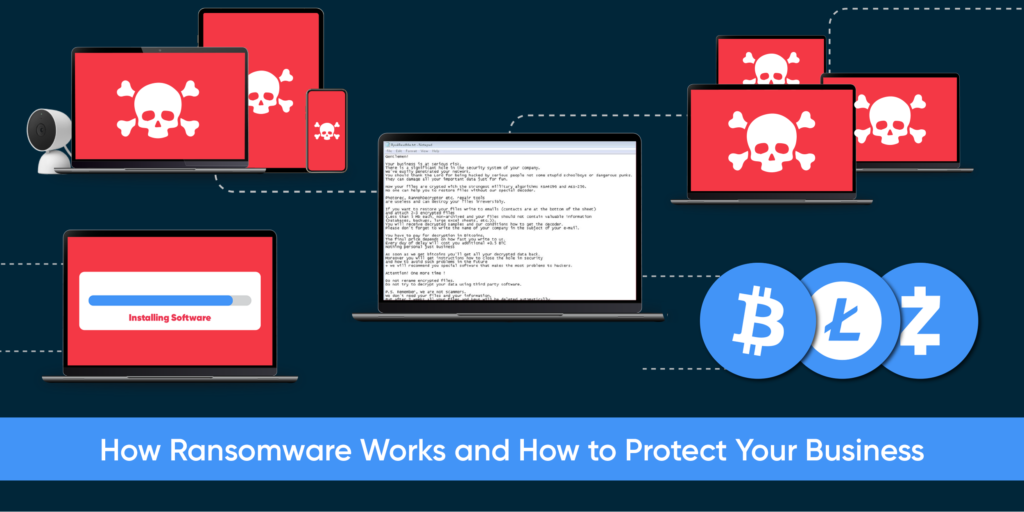
Common SMB Mistakes That Lead to Big Losses
a) No Incident Response Plan
Many SMBs still don’t have a documented or tested response strategy — meaning they scramble after a breach instead of reacting methodically.
b) Flat Networks That Spread Infections
Without segmentation, ransomware can travel sideways across servers, workstations, and even IoT devices — increasing total loss and downtime.
c) Infrequent Backup Testing
Backups exist, but many businesses never test restores. If backups fail, the business has no real alternative to paying criminals.
What “Blast Radius” Means — And Why It Matters
A ransomware blast radius refers to how much of your environment is affected once ransomware gets in. A large blast radius means:
✔ core servers
✔ employee workstations
✔ shared files
✔ backups
could all be encrypted quickly — with widespread operational impact.
A reduced blast radius contains the damage and limits downtime, buying time for recovery and reducing ransomware leverage.
How a ‘One Network’ Architecture Reduces Ransomware Impact
Orlando Business Telephone Systems’ unified approach isn’t just about simplicity — it’s about resilience.
a) Network Segmentation
By splitting your environment into secure zones — for corporate systems, guest Wi-Fi, IoT devices, security cameras, and access systems — attackers can’t walk sideways across your entire network.
Suggested image:
Network segmentation diagram — Show zones for corporate, cameras, IoT, guest Wi-Fi with segmentation lines separating them.
Source ideas: Pexels search term: “network segmentation diagram”
b) Least Privilege & Identity Controls
Users and devices only get access to what they need — limiting the ability of ransomware to escalate privileges or access sensitive data.
c) Managed Monitoring & Rapid Detection
With continuous monitoring and alerting, unusual behavior is identified faster, reducing dwell time.
d) Backup + Disaster Recovery Integration
Proper backups — especially offsite and immutable backups — protect data integrity and ensure business continuity even after encryption hits.
Basic Ransomware Prevention Checklist
Here’s a quick checklist you can use or download to evaluate readiness:
✔ Written Incident Response Plan
✔ Network segmentation in place
✔ Backup strategy with regular restore tests
✔ MFA and identity verification everywhere
✔ Endpoint detection & response tools
✔ Regular patching and vulnerability scans
✔ Employee security training
Conclusion: Be Resilient, Not Reactive
Ransomware won’t go away soon — but SMBs can defend effectively with structured planning, layered defenses, and intelligent network design. A unified “One Network” approach helps reduce blast radius, limit downtime, and protect business continuity.
👉 If you’re ready to assess your ransomware readiness or need help redesigning your network for stronger resilience, contact Orlando Business Telephone Systems today.